
Essays
Essays which celebrate ancient Indian art styles, instruments, poetry and architecture and how they relate to Hindu Philosophy, belief and practice. Occasionally explore Singaporean identity in relation to local expressions of culture.
- 01
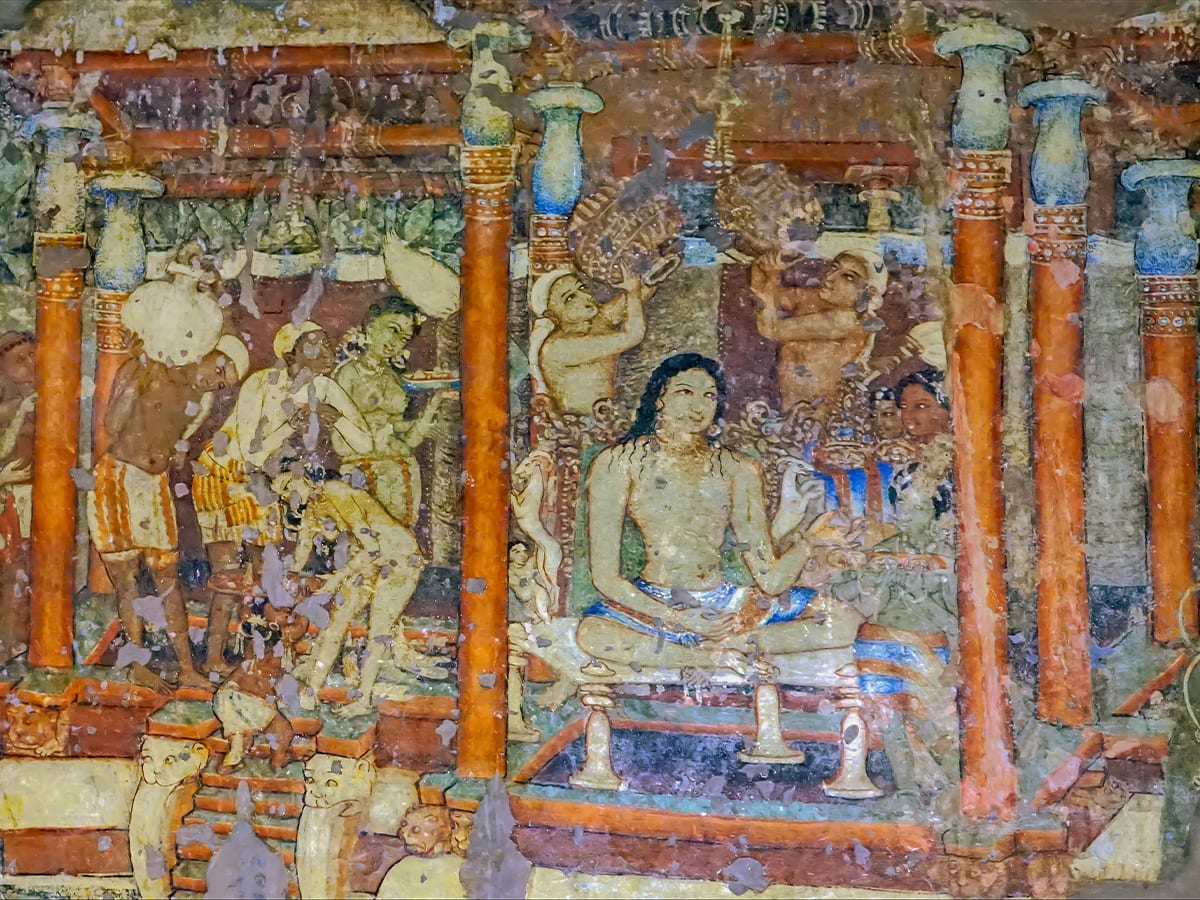 On Anonymity
Artist Once Known: The Names That Did Not Survive Ajanta
Ancient Indian artistic anonymity was, in many cases, a philosophical choice: the expression of a tradition that understood art as seva, offering, and meditative practice rather than self-assertion.
- 02
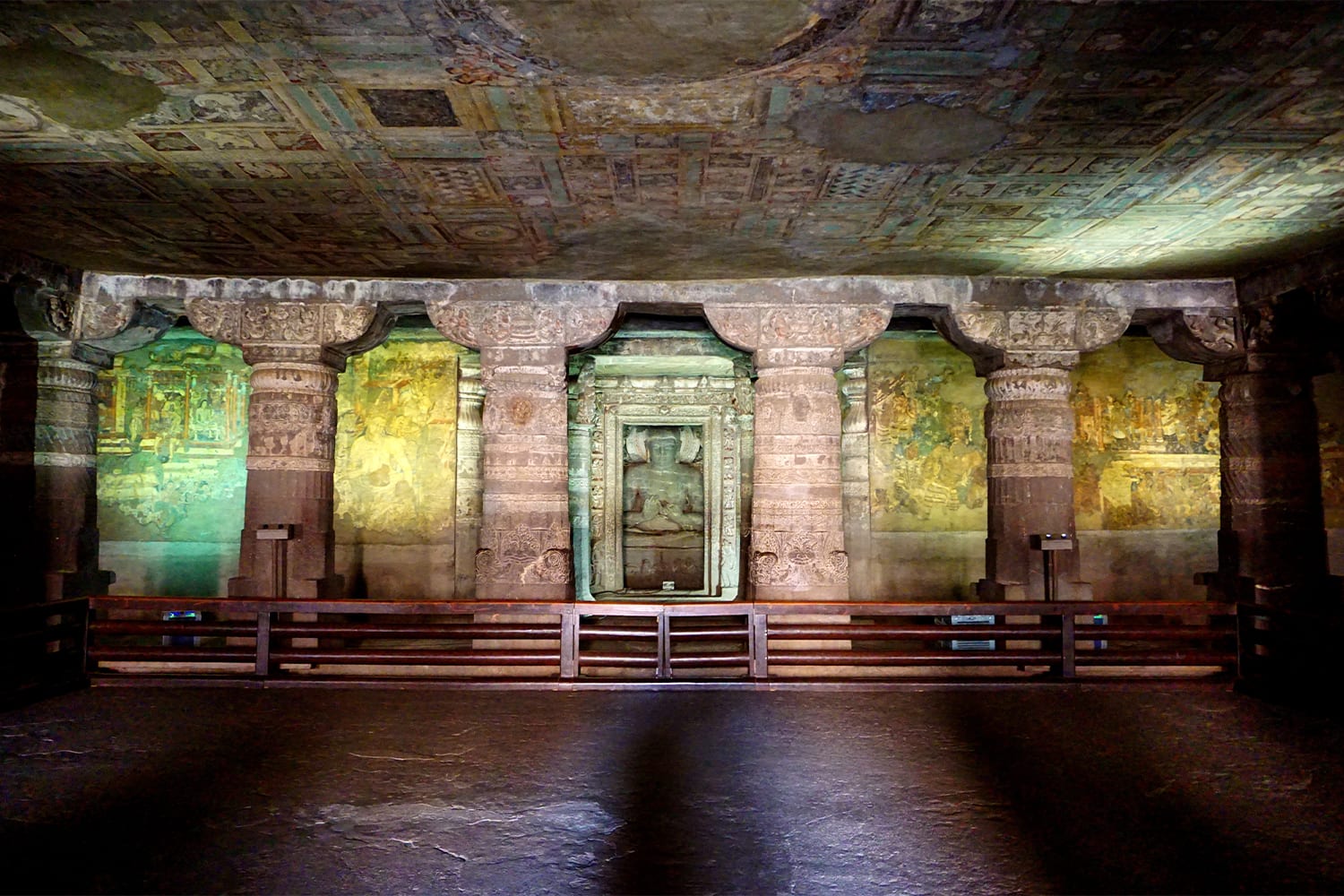 On Offering
Art as Offering: Why Ancient Indian Artists Did Not Sign Their Work
The painters of Ajanta left no names. Not because they were erased — but because, within their tradition, signing a devotional work would have been a philosophical mistake.
- 03
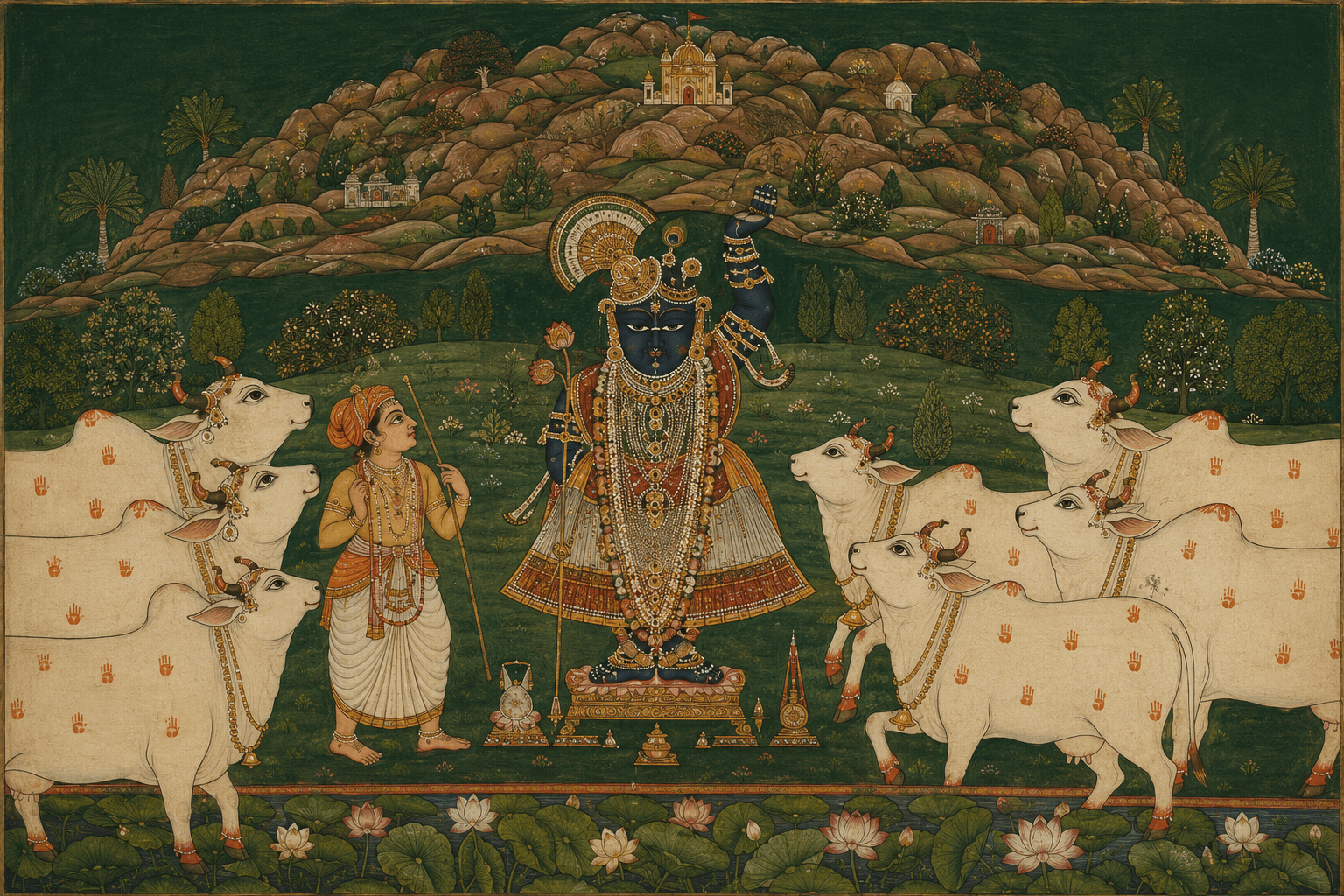 On Darshan
Pichvai Paintings: Why a Temple Changes Its Art Eight Times a Day
Pichvai paintings at Nathdwara's Shrinathji temple change up to eight times a day — one for each ritual darshan. Here is what each painting reveals and why.
- 04
 On Cinema
The Freedom of Exclusion - Singapore Cultural Identity in Eating Air (1999)
How does a 1999 Singapore film capture the tensions of national identity, race, and youth culture? A close reading of Eating Air through a cultural lens.
- 05
 On Cinema
Singapore Urbanscapes - The minimisation of the individual in 12 Storeys
Eric Khoo's 12 Storeys uses the HDB flat to examine alienation and Singapore's modernisation — a film about urban loneliness that still resonates today.
- 06
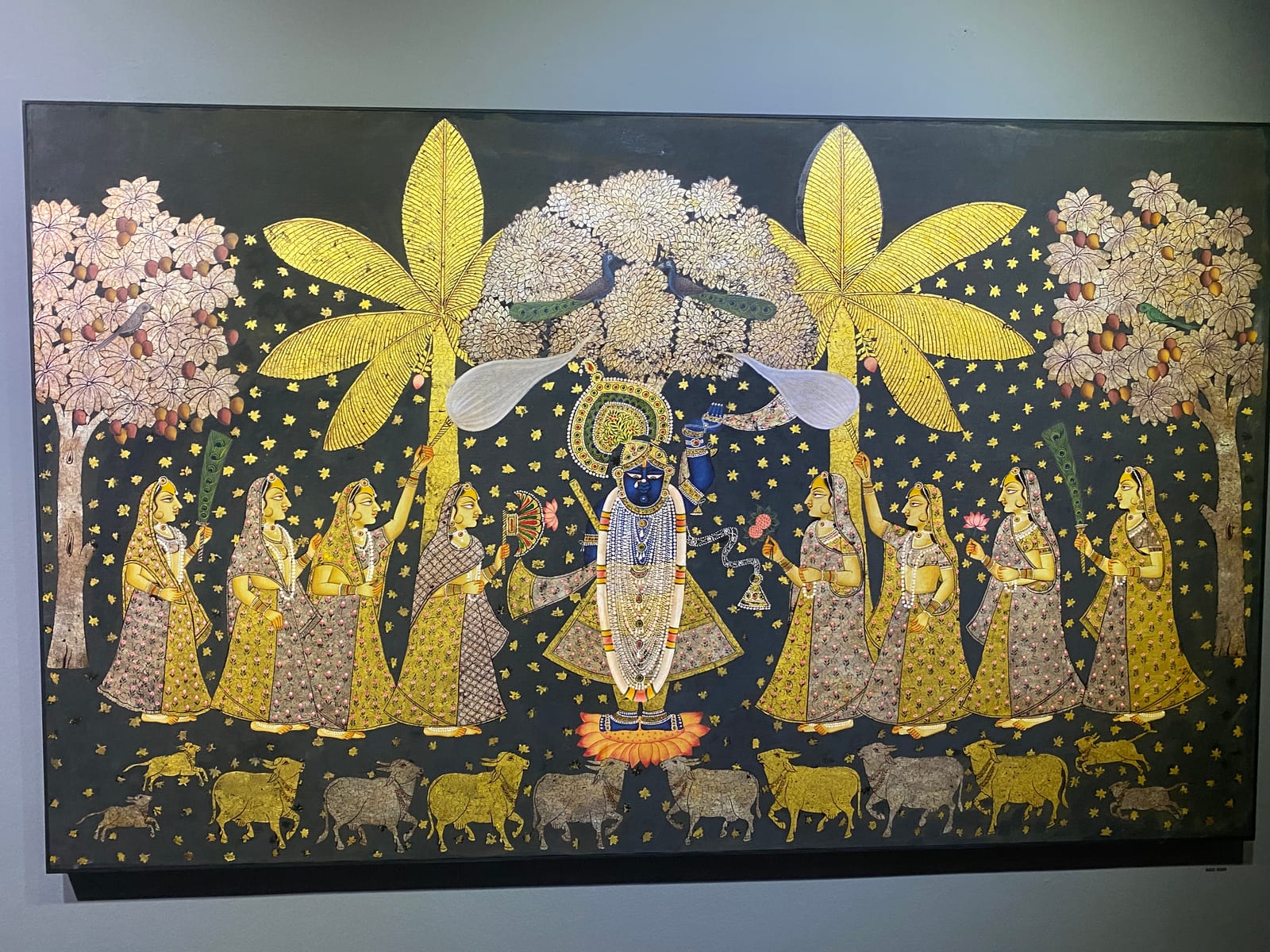 On Devotion
The Eye of the Beholder: Depictions of Bhakti Devotion in Pichvai Art
What makes Pichvai art sacred and beautiful? Part 2 examines how devotional painting transcends aesthetics to become an act of spiritual seeing.
- 07
 On Worship
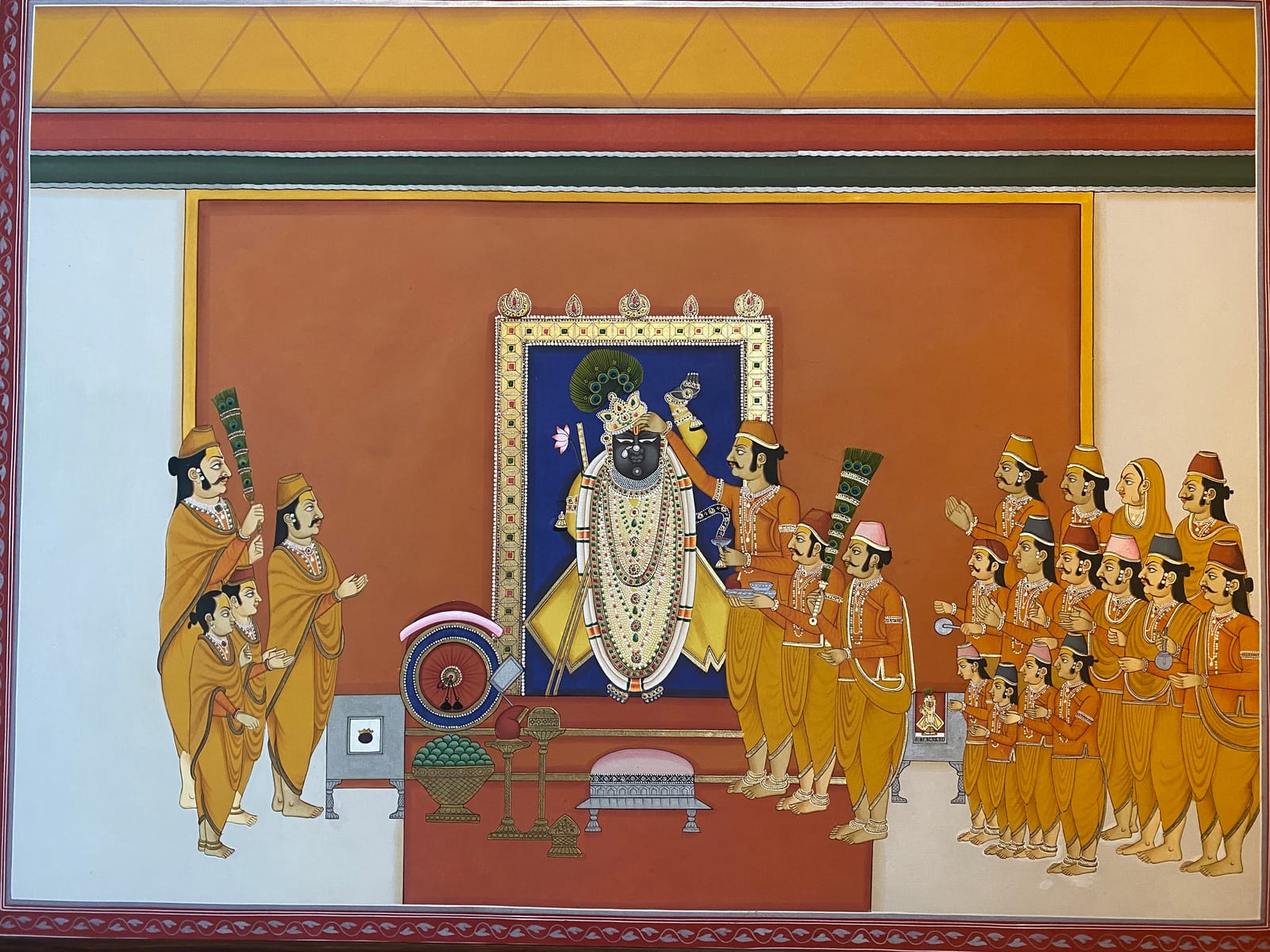
Pichvai Paintings and Bhakti: Art's role in Hindu worship
Pichvai paintings from Rajasthan's Nathdwara temples are devotional masterpieces. Part 1 explores Bhakti's visual language and what faith looks like in art.
- 08
 On Literature
Unity in diversity: The Carnivalesque in Midnight’s Children
Salman Rushdie's Midnight's Children reimagines Indian independence through a fractured narrator. What does it say about identity, belonging, and partition?